
Autor/Autorin

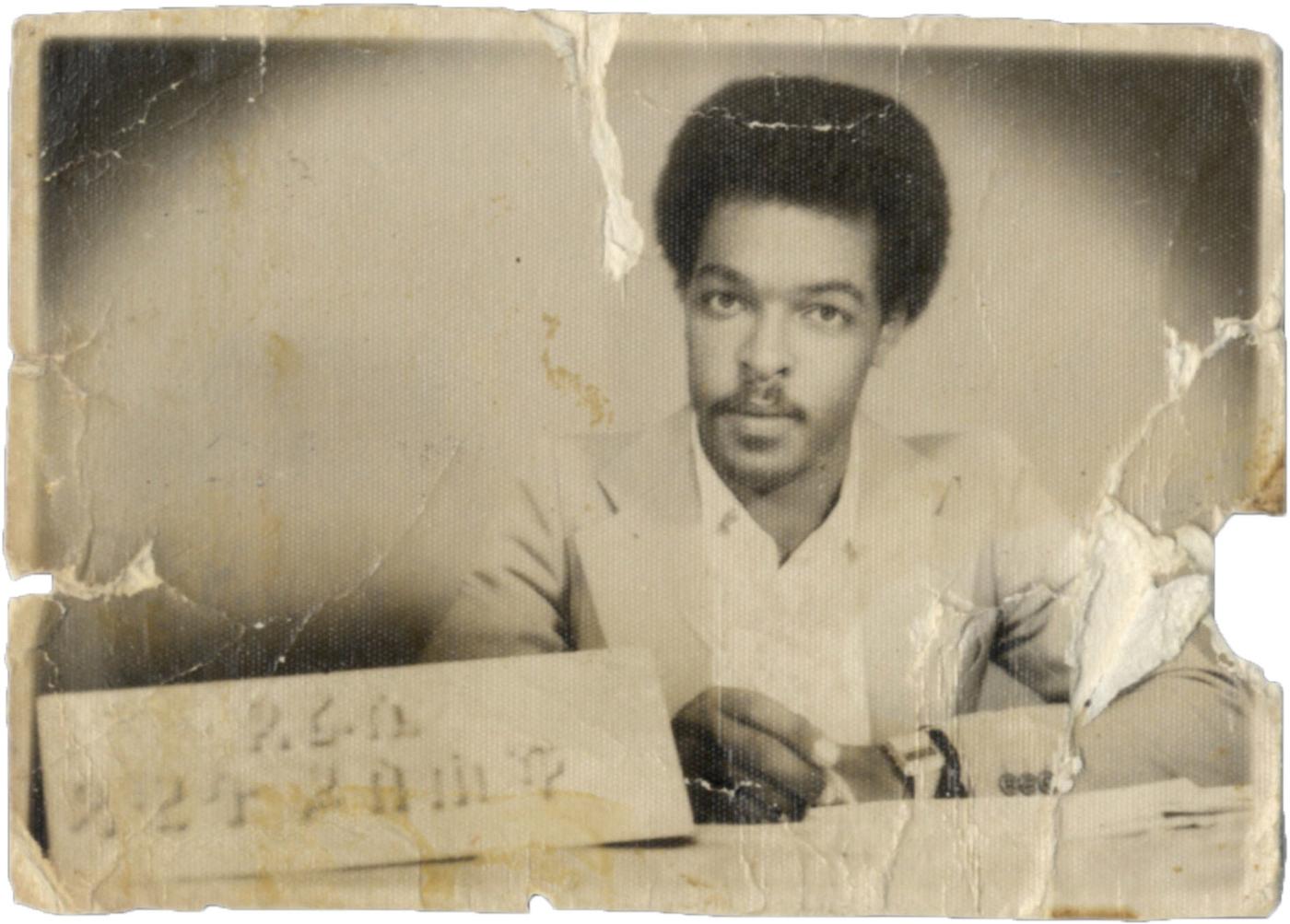
Today, 27 October 2020, is the 56th birthday of Swedish-Eritrean journalist Dawit Isaak. It is the 20th birthday he has spent in prison in Eritrea. Last Wednesday, 21 October 2020, a group of human rights activists and 14 Swedish and international lawyers, including Shirin Ebadi and Irwin Cotler, the former Minister of Justice of Canada, officially filed a complaint with the Swedish authorities on the initiative of RSF for crimes against humanity committed by members of the Eritrean regime against Dawit Isaak. Among the eight accused is President Isaias Afwerki, who has been in power since 1993. Historian Susanne Berger and lawyer Bernhard Docke are co-signatories of the complaint. RSF Sweden has today presented a new report that sharply criticises the official handling of the Dawit Isaak case by the Swedish authorities.
„The long-term imprisonment without charge or trial, under conditions of torture and completely isolated from relatives, colleagues, lawyers and consular support, which is comparable to a state kidnapping, is not only a serious crime against humanity, but also a political and moral scandal of the worst kind. Why was Dawit Isaak taken prisoner? As a journalist, he reported critically on the living conditions and political leaders in Eritrea, a self-evident right in any constitutional state. The Eritrean government has thus completely marginalised itself and should be sanctioned diplomatically, legally and economically by the international community using every conceivable means.
Now that all attempts by the Swedish government to use quiet diplomacy to secure the release of Dawit Isaak or even access to him, or even a sign of life, have apparently bounced off Eritrea’s arrogance, it is high time to admit the failure of this approach and counter it with rigour. The Swedish Attorney General should initiate criminal proceedings against those responsible in Eritrea for crimes against humanity and obtain international arrest warrants. Both Swedish and international law oblige the prosecution authorities to act in cases of crimes against humanity under the principle of universal jurisdiction. Even if this would not allow direct access to Eritrea, the accused would no longer be able to leave the country without the risk of arrest. And this would be an important message against impunity for state crimes, with the chance to help Dawit Isaak, but also as a lesson to all other dictators in the world that sooner or later they will be held accountable for human rights crimes.“
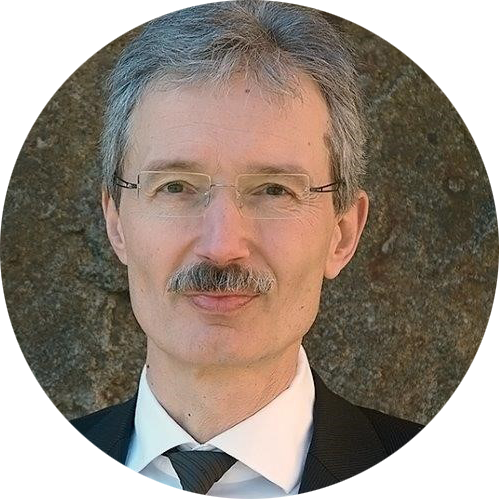
Bernhard Docke
Lawyer, specialised lawyer for criminal law
Am Wall 151-152, 28195 Bremen, Germany
Phone + 49 (0) 421 / 33 52 00
Fax + 49 (0) 421 / 33 52 020