
Autor/Autorin

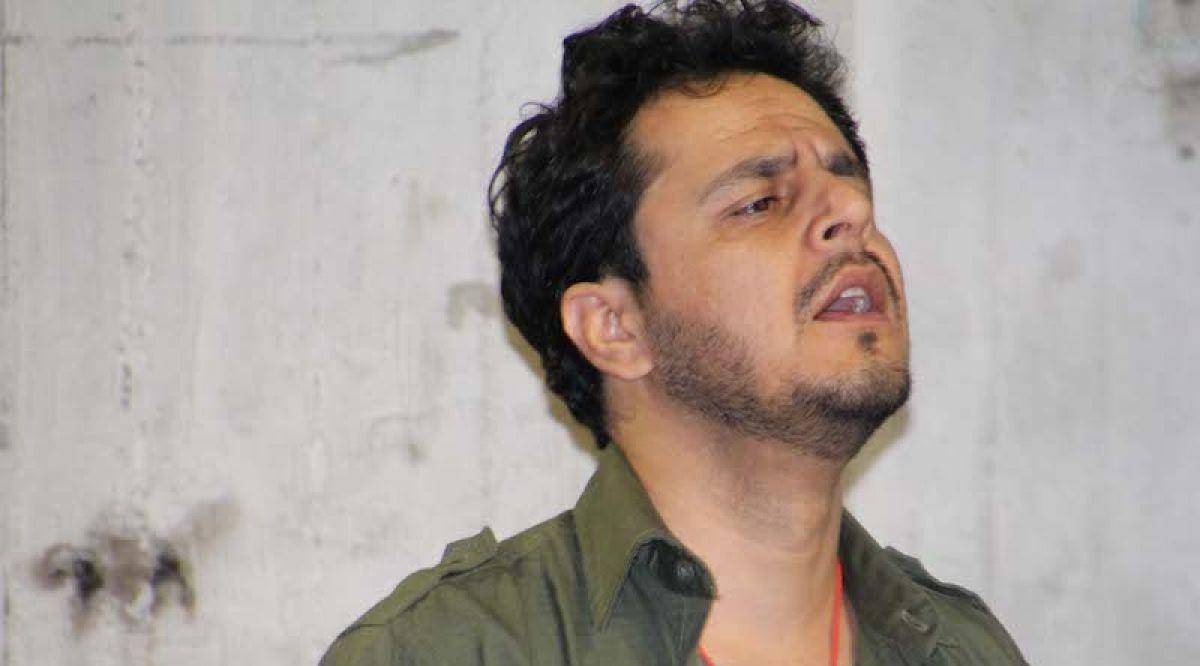
In 2017, the fate of the Afghan musician and actor Ahmad Shakib Pouya Raufyan moved the public in Germany. After being forced to leave Afghanistan by the authorities despite being fully integrated, the strong media pressure and the interventions from politics, culture and the media, which were set in motion by numerous citizens, finally ensured that Pouya was able to return to Germany after 55 days of fear and hiding. Pouya Raufyan tells his story in the film interview. Refugees integrated in Germany are still being deported to Afghanistan or threatened with deportation, even though their lives are at risk and they are committed to human rights. (Editorial team)
Question: So you yourself are now trying to go from artist engagement to artist engagement…
PR: Exactly, I have another appointment with the director of the Gärtnerplatz(theatre) in a week’s time. We are now ready to bring my project to the stage. It took me a while to prepare songs and a programme. But now the time has come, and I hope that when I put this proposal on the table next week, he might say: „Extension until the end of this year!“
Question: That you are still at the Gärtnerplatztheater?
PR : Exactly, stay there. I’ll be in Darmstadt from January anyway.
Question: From January to July then.
PR: Yes, exactly.
Question : Now you’re trying to go from artist engagement to artist engagement…
PR: I have to, yes. There’s no other way. There is other work for me too. I can even get a permanent contract, but the government doesn’t allow that. I’m only allowed to work as an artist. I can’t work for Amazon, for example. You’d get a permanent job there, and I also have friends who have films or something and they’ve given them a contract. Or municipal theatres, the city of Augsburg for example.
Question: Yes. You had a great high-paying contract with IG-Metall.
PR: Exactly. IG-Metall. But you can’t do that. It has to be art. I came from Afghanistan to work here as an artist. I had a contract, the contract is now over, now I’m from one contract to another contract, in other theatres, and the one now is until mid-October. It’s not clear from mid-October, but we hope that I’ll get another extension. If not, there are already a few projects that I can do again in Augsburg. I’m just hoping now. It doesn’t look too bad, but it’s stressful if you don’t know what’s going on from mid-October to January. You don’t get an extension if you say I have a project again from January. You have to pay taxes, you have to pay insurance, and that’s why it’s a bit stressful for me. But I can manage that. I have so many organisations that I work with, I’ll get some kind of contract. I’m afraid of being a refugee again. I don’t want to be a refugee anymore. The last chance, if you don’t get a contract, is to apply for asylum (I came to Germany legally). But I don’t want that any more. I fought with them for six years and then I didn’t get a residence permit. That was terrible for me. Now I’m just going to keep working as an artist until I get the right to stay. Then I’ll do an apprenticeship.
Question: What was so terrible? The uncertainty, the waiting?
PR: In Afghanistan?
Question: No, here as a refugee.
PR: You’ve been here for a long time and you don’t know what’s going to happen. You don’t know whether they’ll deport you tomorrow, whether they’ll deport you tonight, whether they’ll deport you in five years‘ time. You’re not allowed to work, you’re not allowed to do any training, you’re not allowed to attend a language course, you’re simply not allowed to do anything here. Somehow this city represses you and you’re inhibited. That was enough stress, not working for six years. I had to keep trying to get a work permit. I didn’t even get a work permit with great work contracts. You know, at IG-Metall my salary was 5000 euros. And with 5000 euros you get a work permit straight away, and I’m also class one. They get 2500 euros a month in taxes from me. So they had to give me a work permit! Because they get so much tax from me. They don’t have to pay me anything, but they didn’t give me a work permit.
Question: On the grounds that someone else could do it.
PR: Exactly.
Question: Even though you were an assistant at the IG-Metall refugee reception centre in the middle of Frankfurt at the train station.
PR: I was also active as an artist. I started a project with refugees from different countries, from Syria, from Afghanistan, from Somalia, from different countries, who were all artists in their own countries. Now they were here, without instruments, and we collected donations to buy instruments. The idea was to turn these people into a team, a band, and then go on tour and give concerts. But that didn’t work out. Just as I was about to start, I was deported and then I had to go back.
Question: Can you tell us again about this deportation? How you perceived it? Standing on the stage, cameras everywhere, you were in mortal fear, you knew that two days later you’d be on a plane to Kabul. It was this really cold winter here in Munich. When I think about it, it’s like in a film, in a thriller. I have alternating feelings of powerlessness, anger and belligerence. And I’m not the one who was in mortal danger. But I was very close to you and it was terrible for all of us. What must it have been like for you?
PR : When we started with „Zaide“, it was kind of similar to my story. But I didn’t think until the last second, when they pushed us off the stage, that they were actually pushing me off. But that’s what happened. We were preparing for our performance in Munich, then the police came to pick me up, Augsburg, Frankfurt, Munich, they were looking for me everywhere that day. I got phone calls. „Four policemen have just arrived…“ in Augsburg, there and there. I said: „Yes, what’s going on?“ „What have I done?“ My case is also with the hardship commission, and if they don’t decide, they can’t deport me. The lawyer said, „I don’t know anything either, I don’t know why they’re looking for you everywhere.“
That was just a terrible day. Then I had to hide until the first plane left for Afghanistan. That was in December 2016. So I went into hiding. And two days later I came and contacted my lawyer, „What’s going on?“ The decision was already made, so they can deport me. They can deport these people who have been here in Germany for five or six years with a rejection. Then I went to the immigration office and said: „I wanted to leave voluntarily because I don’t want to be banned from entering Germany.“ „I just want to come back, I have everything here in Germany now. I can’t just live in Afghanistan.“
Then they said: „No, you can’t leave voluntarily now, your name is on the deportation list, now they have to deport you. You can no longer leave voluntarily.“ I say: „What are you doing?“ And then this organisation, which is responsible for people who go back voluntarily, helped. They contacted the immigration authorities a few times and said: „He wants to go himself and is paying for everything himself!“ Then they accepted it and said: „OK, we’ll give you permission if your ticket is here with us tomorrow evening! Then we can give you permission to go yourself“. Ok, then I bought a ticket for 1400 euros to go to Afghanistan in two days. I sent them the ticket and then they said, „Yes, you can come and pick up your passport.“ I said: „My passport had disappeared until now! My passport has disappeared three times.“. They said: „Yes, we don’t know now either, we sent it to Frankfurt because they wanted to deport you with this passport, now it’s gone, but you can call tomorrow and then you can come.“ I was also with a few people in Augsburg, they had plans, they got their passports and had to sign, and it said: You’re banned from entering the country for six months. Why six months entry ban? I’m going voluntarily!
You had to go back in 2012. That’s why you have six months. I really argued with them, then a call came from somewhere in the government, and then they cancelled the six months and then I was at the airport two days later and then they said that Cornelia and a few other people had tried to buy time with Albert, who had gone to Afghanistan with me, because of the project we had. So they managed to get me to stay for a few more days and do the project and then leave. The whole time I had to rehearse, I was on stage and didn’t realise what I was doing. I just said everything, gave interviews, but I was only there physically, mentally I wasn’t there at all. I knew I had to go to Afghanistan in two days. And I don’t know what to expect. What would happen when I arrived? At the airport, I hoped until the last second, just as I had hoped. But it didn’t help. It moved a lot, but it didn’t lead to a solution. So I was there at the airport, and it was even more stressful for me when a German friend went to Afghanistan with me. That was even more stressful for me because my life was in danger anyway and then someone else wanted to go with me. He was a foreigner in Afghanistan. That’s even worse. I then said: „Please, if you’re coming with me, go as far as Turkey, just as far as Turkey. Then you go back and I’ll go on.“ We actually wanted to use this story to put pressure on him to go with us, but it didn’t help. He said, ok, I’ll come with you as far as Turkey. Then we were in a room at the airport in Turkey. He then says, „How much longer do we have? When does the plane leave?“ „How long do I have, not you!“ I said. „I’m coming with you. I’m not coming with you just to get to Turkey, I’m coming with you to Afghanistan.“ „I just have to take you back.“ I then said: „I don’t know if that will work.“.
He was with me everywhere and then we went to Afghanistan and arrived at the airport. What happens there now? The people who wanted to pick us up were also a bit stressful because they didn’t get in touch. So we were both at the airport and the people from the Goethe-Institut wanted to protect us and the people from the German Embassy. But they didn’t do that either. The Goethe-Institut said that they would accommodate us privately, but we couldn’t do that officially. That’s not our business. Then we said: „Yes, please!“ Because all the people who came to pick us up were scared. „You’ve got a foreigner with you!“ „We can hide you somehow, but we can’t hide foreigners. There’s nothing we can do if they come and want to kidnap him.“ That was terrible. And then we got helpers from the head of the Goethe-Institut. A secure hotel was booked for us and that’s where we went. It was just one of those hotels where there were three checks right up to the hotel door. They checked the car, the suitcases, everything. Then we were in the hotel, and in the room we were given, and then we saw police officers with weapons on the roof and everywhere. So it was really secure, but you still didn’t feel safe. Anything can happen. Thank God Albert was there. After two days, I got an appointment at the embassy. Where otherwise I had to wait three months.
Question: Who was in the hotel and at the embassy?
PR: All foreigners in any case. Ministers and so on. You see a different world there, different people. They come to Afghanistan briefly and then leave. Above all, they want to be safe. If you go somewhere, there are armoured cars with bodyguards. No matter where you want to go, you pay. Of course, that was also the case for us. So it didn’t take long for me to get this appointment, the people at the embassy were very nice and then said, „We’ve heard your story, we know everything about you. From the media. We’ve already had a thousand calls asking why you’re in Afghanistan, you should go back quickly. But there’s nothing we can do. We don’t decide, it’s ultimately up to Germany. If they say, ‚OK, everything is OK, he can come‘, then we just give him the visa. That’s our job here. That’s all we can do.“ They then made exceptions for a few people, and finally, after 55 days, I got a call to say that I could re-enter the country. I was allowed to leave Afghanistan.
First of all, they rejected my employment contract from IG-Metall, they said, „We have enough interpreters from Afghanistan in Germany. We don’t need to send one from Afghanistan now.“ Then the artist contract came along and they took it seriously because artists are trapped in Afghanistan. As a musician or actor, you are. They accepted that and I got my visa back and now I’ve been back in Germany for a few months. But that terrible time in Afghanistan, I had to hide again and again, only when you have an appointment at the embassy do you have to go there. But when you come back, you can’t go back to where you were because they’ll find out. „Ah, he’s back!“ They know my face in Afghanistan. I have a lot of songs in the media, even protest songs that are against the government, against the Taliban, against IS. That has already put me in danger. Even put my family in danger. That’s why I couldn’t show my face. I always had to hide somehow. Thank God it’s the culture in Afghanistan, if you have a scarf on your head and people can’t see your face, the police don’t come straight away and say, „Show your face or give them your ID“. Hiding myself like that, with Afghan clothes, they didn’t notice so much. The best thing was seeing my mum and my family again after eight years. That was very nice. Apart from that, I was hidden away in a room the whole time. The only thing I could do was write about my feelings. To write lyrics and make a song. That was my task. That was all I could do. And the news about what was happening in Afghanistan. I had a page here in Germany where I posted everything so that people could see what was going on in Afghanistan. This page still works, even though I’m still there. It worked out for me that I’m back there. But all those who have to go back are not all artists. They’re not all actors or musicians. They’re just normal workers and don’t get a work contract here. Even if they do get one, they say, „Someone else can do this work.“
If they deport you, you can’t come back for three or five years anyway. You’re not allowed to come back, and if you want to come back after five years, you have to pay 14,000 euros first. That’s what they paid for you until they brought you to Afghanistan. If you have this money, then you can come back. After five years. That means for you: if you are deported from Germany, then everything is over for you. Because you can’t give this money and you won’t be able to stay alive in Afghanistan for this time. Then it’s over and done with for you. I also had this feeling, but thank God that I was better at this one thing than the other people, that I left voluntarily. I had to make this decision to leave voluntarily, because all the politicians who were in contact with me said: „There’s nothing we can do for you“. „You’ve been rejected and you have to go back.“ „But if you want to come legally, go back to Afghanistan, and if you want to come legally, then we can help you.“ „Otherwise, there’s nothing anyone can do.“
Then I had to take the risk of going to Afghanistan so that I could come back, and that worked out really well. The people at the embassy said to me: „You have a record.“ „No one has ever managed to get deported to Afghanistan and then be allowed to return to Germany legally 55 days later.“ „That’s never worked before.“
Thank God it worked out for me because I had so many people behind me here in Germany. They all tried to help me and the people at the embassy said to me: „We’re really annoyed with you.“ I asked: „Why?“. „We get a hundred calls a day from Germany. Because of you.“ I asked: „Yes, are you doing your job then? I want to go back and my friends want me back in Germany, not here.“ That showed that so many people really wanted to help me. To stand by me so that I could come back and thank God that worked out. And after 55 days I came back. Now I’m in Germany and can do my art a bit more freely than before. I can make the songs that I wrote in Afghanistan or that I wrote here. I’ve also recorded a few songs and I can’t carry on because of another stress, because I have to rehearse and play and I can’t do that now. It also costs a lot, I can’t pay that right now. I’ve already recorded half the album, and hopefully I’ll record the other songs soon too, then I’ll have finished my album. The video clips for two songs are already finished, which shows that if you have freedom, you can continue with art. I’m also planning to give concerts in other countries apart from Germany, because when you’re active in the music business, you have to give back the love that your fans give you. That’s why I’m going on tour. That will work if I have the time and energy.
Question: Because you just said „if you have the freedom, you can make art“. You have also managed to sing and make your art in the most stressful situations, in fear of death, in the most pressurised situations. So do you think that singing or the stage was also an outlet, or how did you feel about the stage?
PR: The stage always helps me, when I’m on stage I just feel free. And for a short time, even though you have so much stress and thoughts, so many bad things in front of you, I try to forget. Just for that short time on stage. I just want to be there on stage, even though it wasn’t always easy. But it worked out. And there were always a lot of people there who saw me on stage and they even said: „How do you do it? Being on stage, singing and playing with so much stress?“ But that somehow gave me strength. Also, this team that we had, this team that worked with us, I saw how they tried to fight tooth and nail to keep me. For someone who can’t do anything himself, who is a refugee and who is also trying to help me so that I might get a place in Afghanistan when I leave, so that I don’t end up in danger there. That always gave me energy and helped me to keep going.
Question: Yes, it was quite adventurous.
PR: Yes. That was really great…
Question : I can’t help thinking about that. We were once at a conference in Berlin about the freedom of art, and there we also talked about how lucky we are to be able to practise art freely here, so I had never really thought about it that much until you actually said that you had already given concerts in Afghanistan where your instruments were broken and the fans were chased out of the room, maybe you can tell me about that again.
Did you come here because of your music? Is that why you came here, in protest …
PR: Actually, when I was in Afghanistan, I made music, but not like I do now. Back then I only made music with a band. We played wedding music and every now and then, when there was a party, we also had a programme on TV. But it was local television. And very slowly I tried to continue making music, and then my songs even appeared on national television. I tried to become a bit famous so that I could make more music. But that brought me more stress, even put me in danger. I was in a conservative city like Herat. Islamists are really conservative, even aggressive. They are very bad there, in this city. According to the Taliban, I made two mistakes in this city. They said: „Firstly, you’re working with Christians, that’s forbidden! And our court has decided that you must die!“ „We are allowed to kill you because you work with Christians. You are not allowed to do that“ „And secondly, that you make music, music is forbidden in Islam. And you make music, and that is also forbidden.“
I was one of those people who tried to bring another religion like the Christian religion. That was the case for them. And they also tried to kill me. And the reason was not music, but because I was working with foreigners. That’s why I had to leave Afghanistan. They tried to kill me and that didn’t work, then they killed my father. And that showed me that I couldn’t go back to Afghanistan. They know my face, regardless of whether I’m in another city. They know me there too.
Many friends have said, „You’re really unlucky that you told the truth here.“ „If you lie in Germany, you’ll get a residence permit straight away.“ „And if you don’t lie and tell the truth, you won’t get a residence permit.“
I could just say I’m a musician, I’m an artist, I could say that I make art in Afghanistan, then you immediately get a residence permit. Because they understand that art is forbidden. But I just wanted to be honest and tell them my real problems. But that didn’t help. First of all, they said: „Where is your document stating that you have problems with the Taliban?“ I can’t have a document like that…
Question: They didn’t write a letter before they dropped the bomb?!?!! (laughs)
PR: Yes, they did throw letters, twice in fact, but I didn’t think about those letters at the time. I thought it was a warning, and I didn’t take that warning too seriously, it was a daily thing from them down there in Afghanistan. Afterwards I realised that it was a mistake not to keep the letters they threw in my flat. I didn’t have a letter like that here, but I told them everything I had experienced. And I still got the rejection and fought for six years…
Question: It was quite absurd that after you received your deportation order, you were invited to the court in Augsburg to translate.
PR: Exactly, I was already working as an interpreter for six languages.
Question: The court paid you in the black because they weren’t allowed to pay you.
PR : The first or second time, they said: „Give us your travelling expenses and your bank account number so that we can transfer the money.“ I then said: „I’m not allowed to work in Germany and I’m not allowed to earn anything.“ Then they said: „Okay, how are we supposed to do that then?“ I then said: „I’m not getting anything, I’m doing this voluntarily.“ I did a lot of voluntary work, including in the refugee sector. The second and third time they didn’t even ask, they already knew that I would always come back, interpret and then leave again. Normally, interpreters are paid around 60 euros an hour. But I wasn’t allowed to earn anything, so I did it on a voluntary basis. A German friend asked: „Why are you doing art in Germany?“ „You’re a dentist!“ „You can just work as a dentist and earn a good living, why are you doing art?“ I said: „Because I’m not allowed to work!“ „If you’re not allowed to work, then art gives you that freedom.“ I simply had freedom as an artist. To do my concerts, to continue making my music and to be active in the theatre. And to work as an actor. That gave me the opportunity to make art. But the government didn’t give me that.
Question: Just to be clear, so the idea is, because you worked with Western artists, which put you in danger, so what is the idea, you are not allowed to be a dentist, but you are allowed to be an artist?
PR: I worked with French people in a hospital, I’m a dentist by profession, but I’m also a nurse. I worked as an interpreter and as a nurse in a French hospital in Afghanistan. That’s why he asked, because I’m a dentist, I can work and earn quite well. If you can’t get a work permit from the city, how are you supposed to work? But they couldn’t come and say you’re not allowed to make music. Art and music were free for me. I was allowed to make music on a voluntary basis. I wasn’t allowed to earn anything, but I could carry on making music. I could also stay in the theatre as an actor. But not with pay, but simply on a voluntary or honorary basis. I always did that too. It also gave me the chance to get to know so many people, to keep being active and to have something to say everywhere. That helped me. Thank God I did that. But I didn’t get a work permit until the very last second. I fought for six years.
Question : So with these professions like dentist or IG-Metall, the argument is always that someone else could do it. In the artistic professions, you can justify even more explicitly that you need Poujah for this role. And that there is no other artist who can fulfil this role. And that’s how we’ve always managed to get him these artist visas, for example in Fassbänder, where the role of „Ali“ was directly tailored to Poujah. „Zaide“ anyway, that was completely centred around Poujah, and now with „Carmen“ too. So you can always justify it explicitly.
PR: Yes, exactly. The person in charge says: „I only need this person!“ And they can’t refuse. For example, Schauburg, where I got this contract, said: „We only need Poujah for this role!“
Question: Is that how it is now?
PR: Now too, yes! No one else can do what I’m doing right now. That’s why I get the work permit. Otherwise you won’t get it. If a German living here can do something like that, then you’re not allowed to do it. In the arts, I get the permit because I have my own style and do something that nobody else does. For example, playing an instrument that they need, you can do that with art, but not with other work. Because there is enough labour in Germany. For example, as an actor, if you say: „I want to play this role!“ and they say: „No, we have enough unemployed actors here in Germany, first of all a German can do it.“ But when the theatre says: „But we need exactly this one…“. Until now, I’ve always played the role, a foreign role. „Carmen“ is different now, it’s not about flight and so on, it has something to do with the history of flight, but it’s not about refugees. That’s something else.
Question: Exactly. He’s the Persian warden in this play.
PR: It’s also the case that I composed and sing my songs, I write my own lyrics, and that also helps you to simply be present.
Question: Why don’t you sing?
PR: I wrote one song for „Zaide“, this project I did. But then I wrote new songs for „Carmen“, two songs. Which ones do you want?
So I’m singing, it’s a song about jealousy. „Carmen“ has decided in favour of someone else who is a soldier of mine. That’s why I say to her: if I’m here as the boss, why did you do it? And now I’m taking revenge here, so to speak. And it’s about Carmen, and this Züniger, the role I have there. And I’m singing it in Persian, I wrote the lyrics for it. It’s always so interesting. Whenever I get a project, I always try to write a song that goes straight into the story. And that’s also what Cornelia said: „We want something like that.“. And then I wrote something like that. I sing briefly. (aingt) That means in my country Afghanistan: „Power is everything!“ and in Afghanistan, I could have you like a slave. But in this project I’m not in Afghanistan, I’m just in France or Germany, somewhere. And that’s why I say: „If you were in my country, I could have you at the snap of my fingers.“ „But now I can’t, and you’ve made the wrong decision to just leave Josse…“
Question: …took an officer and not the lieutenant. Because he is the lieutenant. We also have a passage together where I’m like (….)
PR: I’ve never rapped before in my life, and now I’m even rapping in French. And of course that’s always an interesting thing, that you can always do something new. Now I’ve even brought my own songs into this story. But we also have French and rap, and not even in German, but in French and Persian. So I sing in Persian and I also speak Persian in a few scenes.
(The transcribed version of the interview conducted in summer 2017 has been edited and translated from oral to written language without affecting the content).
Interview : Cornelia Lanz (Zuflucht Kultur e.V.) and Dr Irmtrud Wojak (BUXUS STIFTUNG gGmbH)
Camera : Jakob Gatzka (Vierkirchen)
Transcription : Antonia Samm (BUXUS STIFTUNG gGmbH)
Listen now
Discover the podcast series of the Fritz Bauer Forum
Here, experts talk about justice, human rights and social change. They provide in-depth insights and develop diverse perspectives on current issues that affect our society.

