
News


Information on
with Max Lucks, MdB (Bündnis 90/Die Grünen), Prof Dr Hans-Joachim Heintze (Institute for International Law of Peace and Humanitarian Law at RUB) and Dr Ingrid Farzin (International Physicians for the Prevention of Nuclear War IPPNW Bochum)
Moderation: Rita Bernhard-Otto, doctor of psychiatry and psychotherapy, IPPNW Bochum
In times of declining peace and increasing bellicosity, the goals of the United Nations only reach us in a whisper: „We, the peoples of the United Nations, are determined to save future generations from the scourge of war“ (Preamble to the Charter of the United Nations). Since the Second World War, the threat of nuclear war has never been as acute as it is today, the annual „Doomsday Clock“ of the Bulletin of Atomic Scientists stands at 90 seconds to 12, the disarmament agreements of the 1980s and 1990s have been cancelled or are being blocked, while new research findings show the devastating consequences of using only a fraction of the nuclear potential. Out of concern for our survival, the UN General Assembly adopted the Treaty on the Prohibition of Nuclear Weapons (TPNW) on 7 July 2017. It prohibits the development, production, testing, acquisition, stockpiling, transport, deployment and use of nuclear weapons and the threat thereof. It entered into force on 22 January 2021 and is binding under international law. It is currently the only viable and growing nuclear disarmament treaty; 93 states have signed it to date, representing almost 50% of the world’s population. No nuclear power has joined the treaty, not even all NATO states. Germany recently became an observer to the treaty on the initiative of the „traffic light“ government. It is primarily supported by countries of the global South, backed by around 600 civil society organisations. Can this „alliance of the powerless“, the „international dwarves“, make history and save the world from the „scourge of war“, or at least from nuclear war? On the 3rd anniversary of the entry into force of the Treaty on the Prohibition of Nuclear Weapons, we want to delve deeper into this topic and discuss it with you.
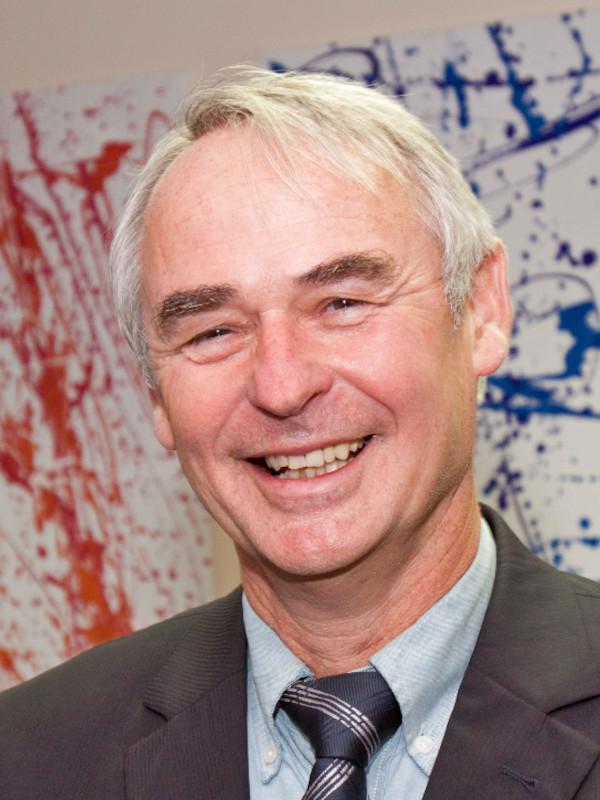
Prof Dr Hans-Joachim Heintze, lawyer and professor at the Institute for International Law of Peace and Humanitarian Law at RUB, on the topic: Does international law prohibit nuclear weapons? How should the attitude of the nuclear powers be assessed? Does it render the treaty meaningless?
Max Lucks, Member of the Bundestag (Alliance 90/The Greens), Member of the Committee on Foreign Affairs, Chairman of the Committee on Human Rights and Humanitarian Aid, Member of the Subcommittee on Disarmament, Arms Control and Non-Proliferation, on the topic: Advocacy of the Non-Proliferation Treaty in the German Bundestag, in particular in the Committee on Disarmament, Arms Control and Non-Proliferation.
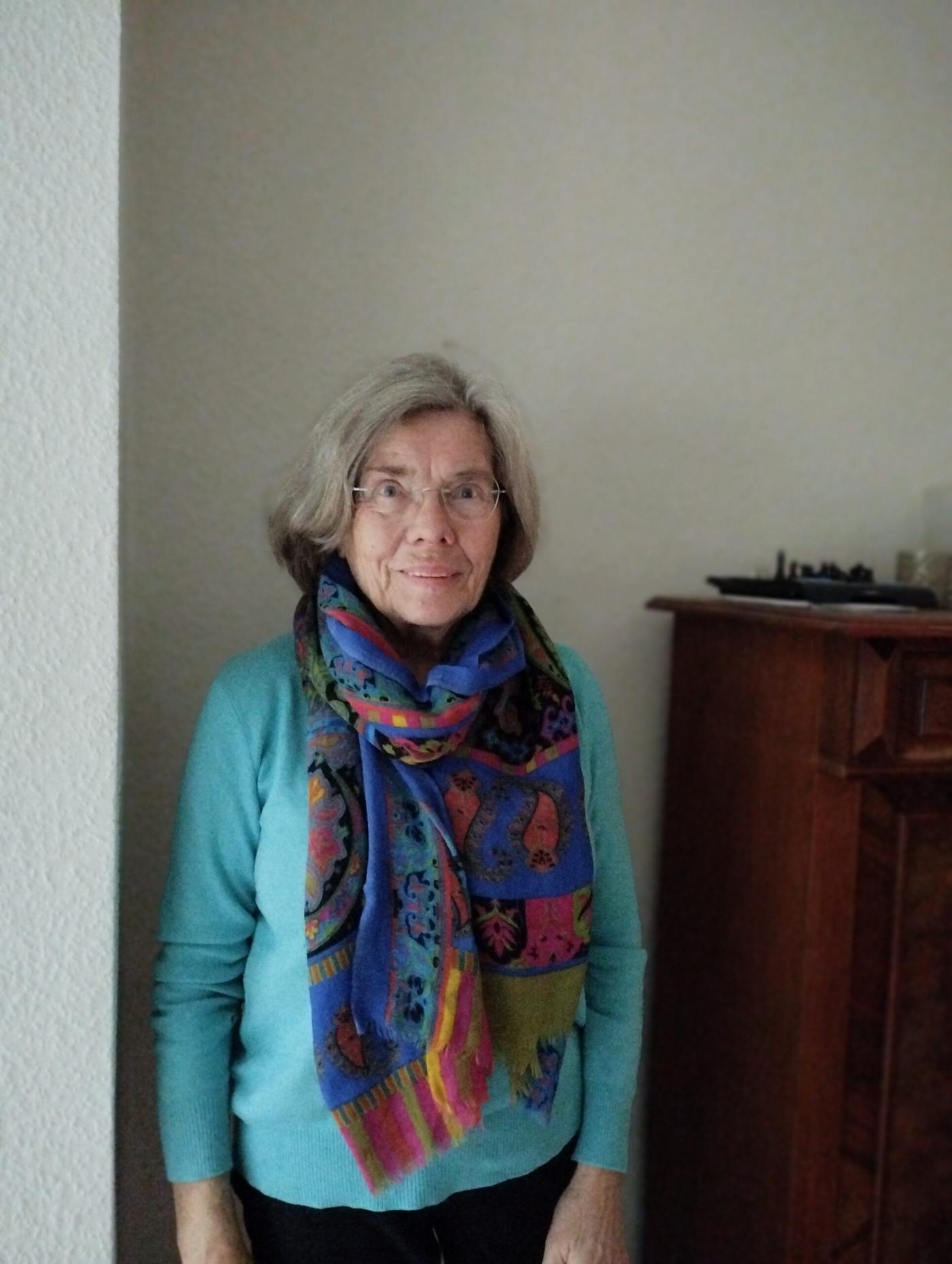
Dr Ingrid Farzin, general practitioner, long-standing member of the International Physicians for the Prevention of Nuclear War (IPPNW), on the topic: The role of civil society in the ban on nuclear weapons using the example of the IPPNW.
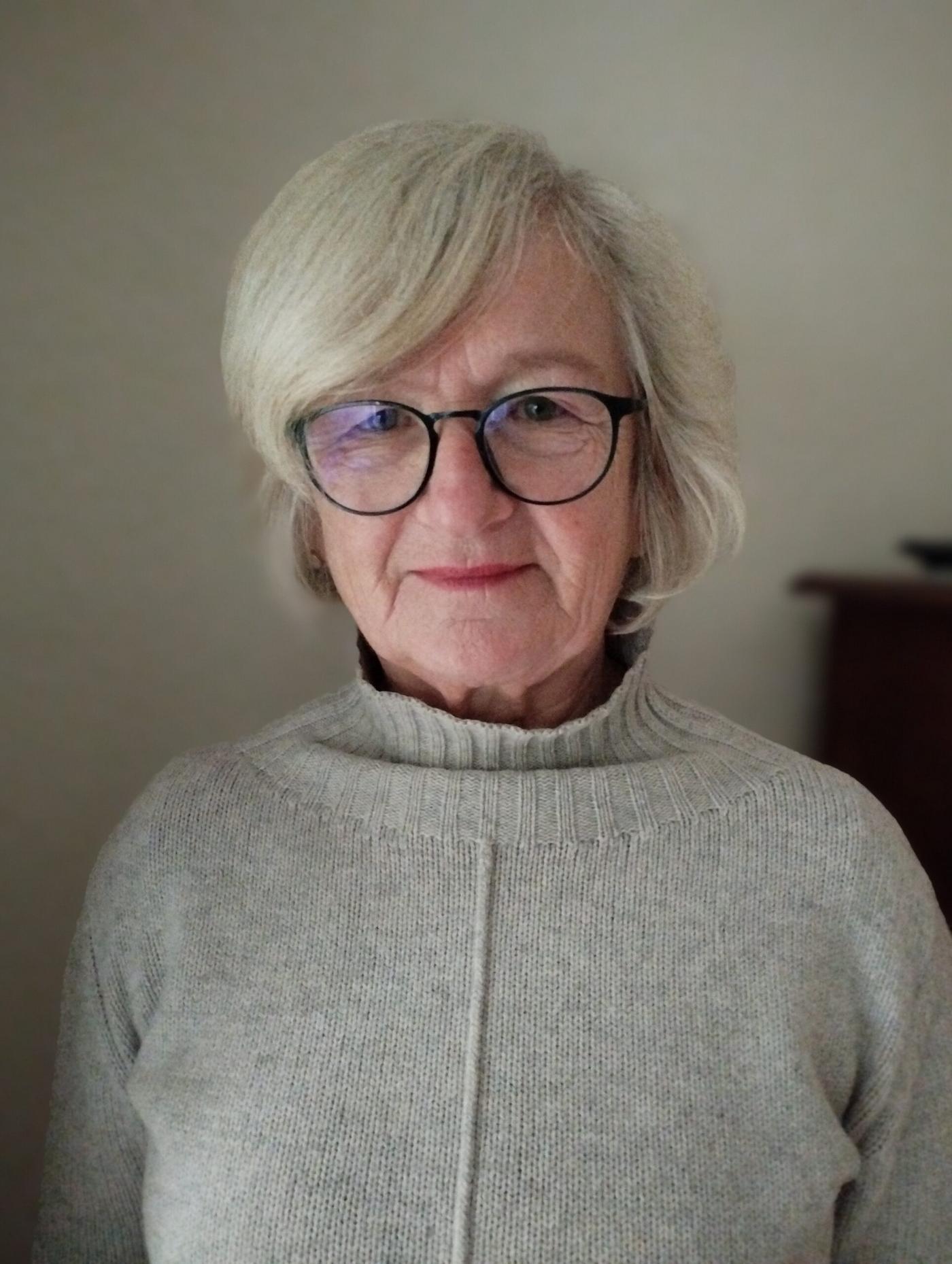
Moderator: Rita Bernhard-Otto, doctor of psychiatry and psychotherapy, IPPNW Bochum
Welcome: PD Dr Irmtrud Wojak, historian, founder and director of the Fritz Bauer Forum
Photo Max Lucks: Dominik Butzmann, header image: Javardh (unsplash)


Magdalena Köhler (M.A.)
Events and interactive Fritz Bauer Library
Phone
+49 (0) 1573 2562392email address
magdalena.koehler@fritz-bauer-forum.deOpening hours:
Monday to Wednesday 10.00 - 16.00 | Thursday 14.00 - 17.00 | Fridays by appointment