
News

Information on
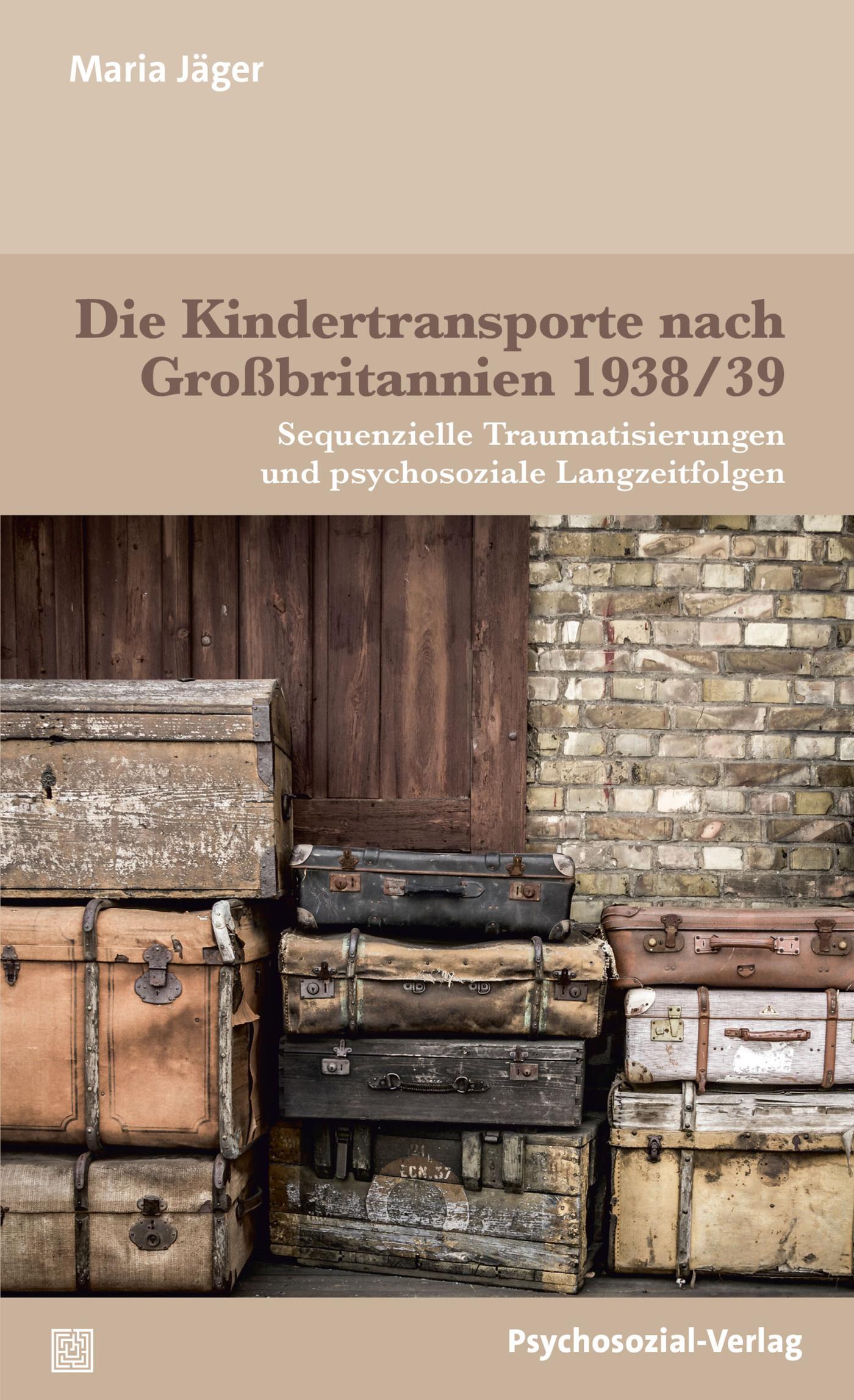
1938/39: Between the November pogroms and the outbreak of the Second World War, around 10,000 children between the ages of three and 17 are brought to Great Britain with the help of the so-called „Kindertransporte“ to save them from anti-Semitic terror. The children had to travel to the UK without their families, where they were placed in homes or foster families. As a rule, they are unable to communicate at all and many of them change their environment several times in the following period. Their experiences were ignored by researchers and the public for many decades.
The lecture breaks with the widespread portrayal of these children as the „happily rescued“ and sheds light on the complexity of their experiences in detail. It also explores the question of how the children of that time find ways today to deal with and process their distant and yet still ongoing experiences in autobiographical narratives. How do they narratively negotiate the ambivalences between saving lives and potential traumatisation? What can we learn from their stories about the consequences of sequential and socially inflicted suffering?
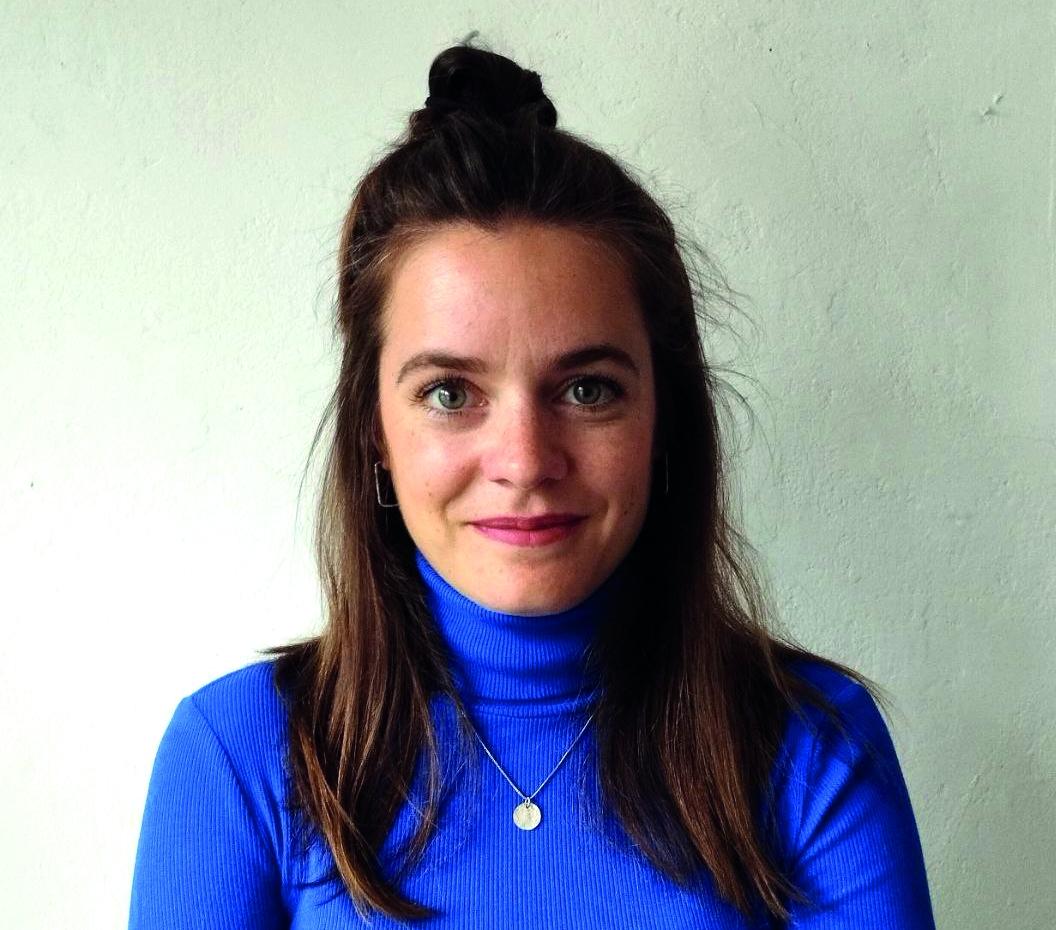
Maria Jäger is a social scientist and completed her doctorate at the Faculty of Social Sciences at Ruhr University Bochum on the subject of the Kindertransports.
An event organised by the Fritz Bauer Forum

Magdalena Köhler (M.A.)
Events and interactive Fritz Bauer Library
Phone
+49 (0) 1573 2562392email address
magdalena.koehler@fritz-bauer-forum.deOpening hours:
Monday to Wednesday 10.00 - 16.00 | Thursday 14.00 - 17.00 | Fridays by appointment