



Zehn Zwölf
25 min. 30 sec.

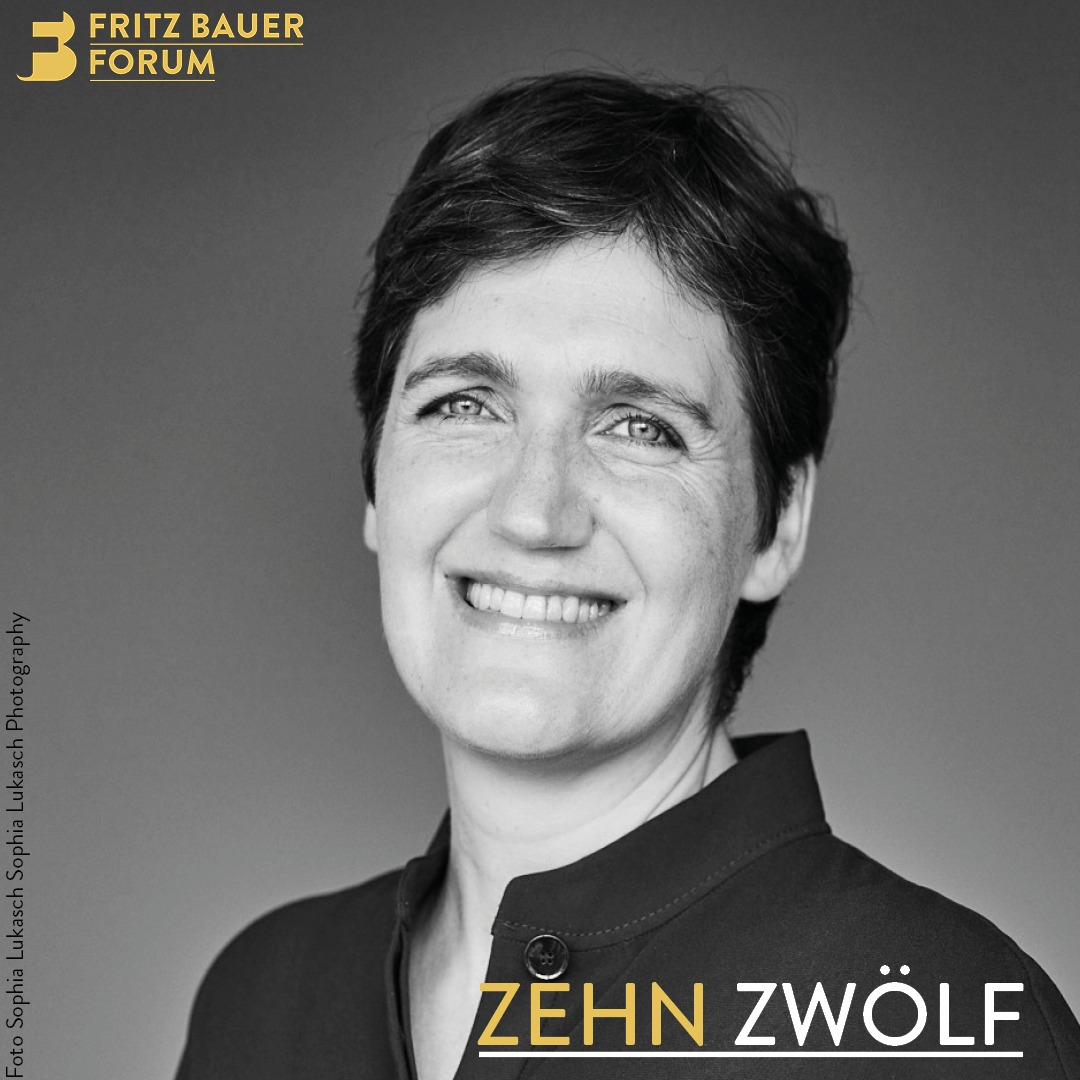
Muriel Asseburg | „Germany does not play the first role.“

Listen now

SpotifySpotifySpotifySpotifySpotify

Guests

Portrait
Dr. Muriel Asseburg

Host

Portrait
Martin von Berswordt-Wallrabe

Published on

December 10, 2024

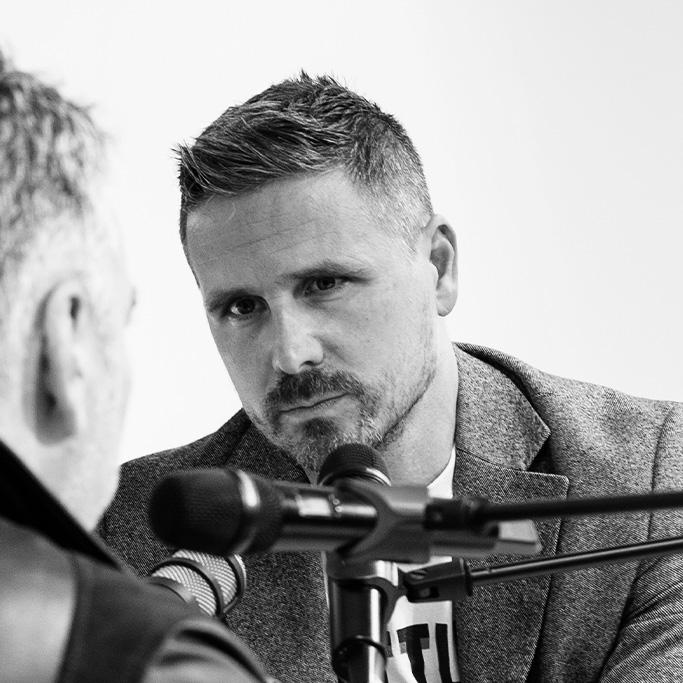
The Hamas attack on Israel on 7 October 2023 also changed the information requirements of top German politicians regarding this conflict. Middle East expert Dr Muriel Asseburg from the German Institute for International and Security Affairs (SWP) was and is a sought-after interlocutor. In the podcast, she describes the changes in the political debate, looks at the historical background to the conflict and gives the Federal Chancellor a recommendation.

As part of the „We need need need to talk“ series of events, Dr Asseburg was recently a guest at the Fritz Bauer Forum in Bochum and discussed the current situation in Israel and Gaza. The focus was not only on the traumas that have erupted on both the Israeli and Palestinian sides, nor exclusively on the catastrophic humanitarian situation in the Gaza Strip, but also on the political dimension of the struggle for power. You can find the recording of the lecture here: https://www.youtube.com/watch?v=6RM0jSWnrO4
Other episodes

Zehn Zwölf
Helena Steinhaus | „You shouldn’t actually be able to cut the minimum subsistence level any further.“
How fair is a system that cuts the minimum subsistence level? Helena Steinhaus, founder of Sanktionsfrei, explains why sanctions in the Citizen's Income scheme push people below the minimum, which myths about "social fraud" persist - and what is behind the current reform of basic income support. She talks about power and representation, lobbying influence, the fear of the job centre and the reality of millions who are affected by poverty or narrowly avoid it every day. One sentence that remains: "In the end, it's simply class warfare."
February 10, 2026
26 min.41 sec.
Zehn Zwölf
John Austin | „Authoritarianism grows where people no longer see a future.“
In this episode, we talk to US academic John Austin about the state of democracy in the United States and the growing authoritarian and anti-democratic currents that are increasingly shaping politics and society there. John Austin worked for many years in Michigan, in the heart of the American Rust Belt, and studied Public Administration at Harvard University. From this perspective, he analyses the structural causes of political radicalisation: the decline of industrial regions, the disintegration of local communities and the loss of prospects for the future, which has become deeply inscribed in the political self-image of many people. In our discussion, we draw parallels between the Rust Belt and the Ruhr region. We discuss why structurally weak regions in the USA and Germany are becoming politically alienated in a surprisingly similar way - and why economic decoupling, institutional mistrust and cultural insecurity are preparing the ground for authoritarian proposals. An episode about democracy under pressure, about regional inequality as a human rights issue - and about what it takes to strengthen democratic resilience in times of profound upheaval.
January 10, 2026
29 min. 27 sec.
Zehn Zwölf
Anna di Bari | „People must not drown – there should be no dispute about that.“
In this episode, we speak to Anna di Bari, board member of the civilian sea rescue organisation Sea-Eye. For ten years, civilian crews have been rescuing people who risk their lives fleeing across the Mediterranean - filling a gap that European states deliberately leave open. Anna di Bari reports on why civil sea rescue is indispensable today, how the situation at sea has changed dramatically and why the criminalisation of rescue missions is an attack on fundamental human rights. We talk about political responsibility, about the shifted debates surrounding migration - and about why the simple stance "people must not drown" should actually be a matter of course. Photo Credit Dominik Butzmann
December 10, 2025
26 min. 14 sec.