



Zehn Zwölf
28 min. 59 sec.

Circle of supporters for Mouhamed Lamine Dramé | „Individual case now stands for a systemic problem“

Listen now

SpotifySpotifySpotifySpotifySpotify

Guests

Portrait
Unterstützer*innenkreis für Mouhamed Lamine Dramé

Host

Portrait
Martin von Berswordt-Wallrabe

Published on

January 10, 2024

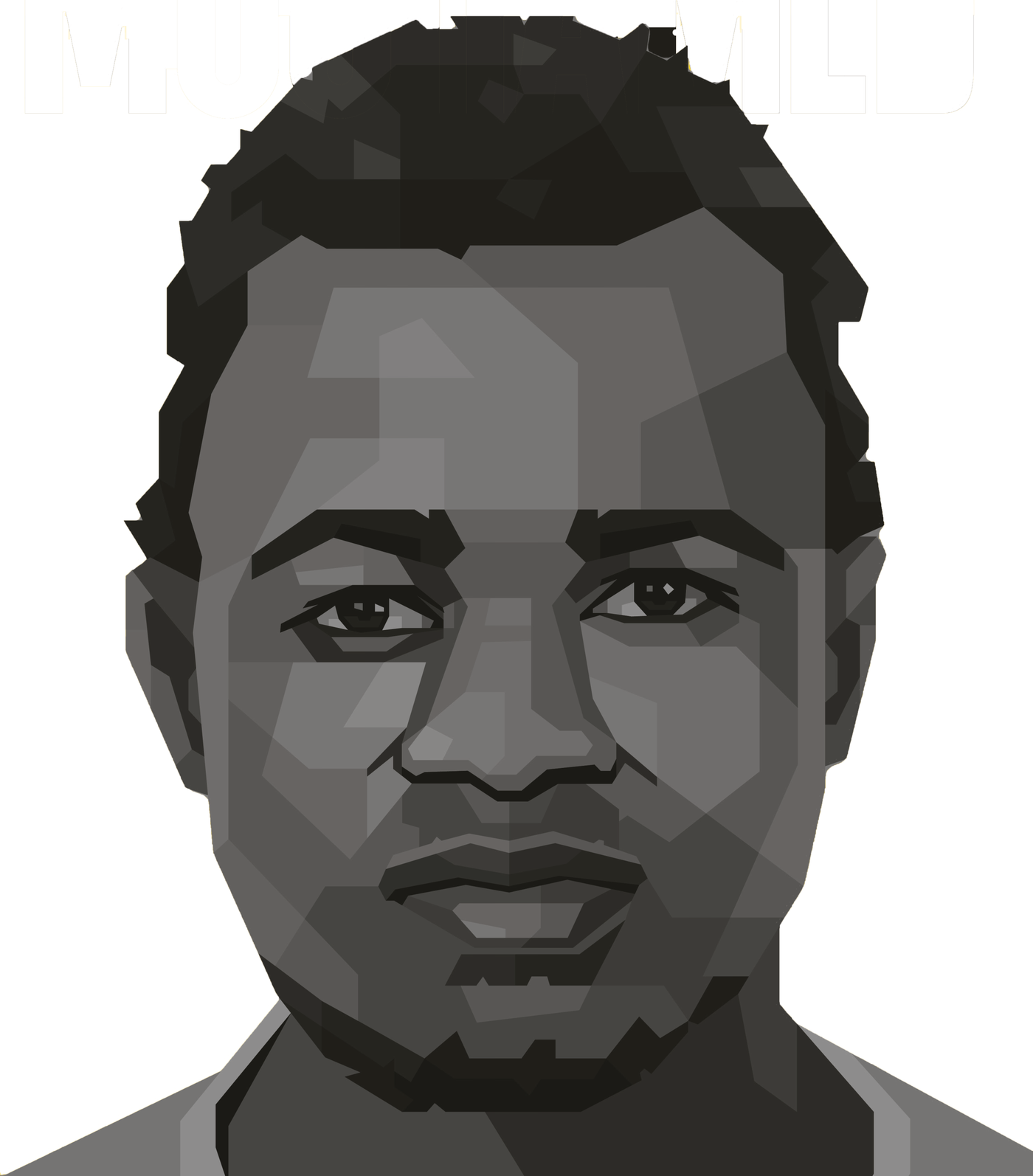
On 8 August 2022, the then 16-year-old Mouhamed Lamine Dramé was shot dead during a police operation in Dortmund. A few days ago, the trial against five Dortmund police officers began at Dortmund Regional Court. Jasmin from the circle of supporters for Mouhamed Lamine Dramé talks in the podcast „Zehn Zwölf“ about the circumstances surrounding the death of the refugee from Senegal and what changes are needed to curb police violence. The Fritz Bauer Forum deals with the struggle for human rights in the past and present in February 2024 in three events explicitly with Black History. However, Black History does not only play a role once a year during Black History Month we will also be dealing with Black History and the present in the further course of 2024, for example with this episode of the podcast „Ten Twelve“ or in April 2024 with a focus on Rwanda.
Other episodes

Zehn Zwölf
Katja Urbatsch | ‘The right to education does not apply to everyone.’
In this episode, Martin talks to Katja Urbatsch, co-founder and managing director of ArbeiterKind.de, about education as a question of social justice. In Germany, social background still plays a major role in determining who goes to university and who does not. Urbatsch explains why many young people from non-academic families face structural barriers on their way to higher education – from a lack of information to financial uncertainties. The conversation focuses on education as a prerequisite for social participation, solidarity through peer networks, and the question of what needs to happen to ensure that the right to education truly applies to everyone.
March 10, 2026
25 Min. 44 Sek.
Zehn Zwölf
Helena Steinhaus | „You shouldn’t actually be able to cut the minimum subsistence level any further.“
How fair is a system that cuts the minimum subsistence level? Helena Steinhaus, founder of Sanktionsfrei, explains why sanctions in the Citizen's Income scheme push people below the minimum, which myths about "social fraud" persist - and what is behind the current reform of basic income support. She talks about power and representation, lobbying influence, the fear of the job centre and the reality of millions who are affected by poverty or narrowly avoid it every day. One sentence that remains: "In the end, it's simply class warfare."
February 10, 2026
26 min.41 sec.
Zehn Zwölf
John Austin | „Authoritarianism grows where people no longer see a future.“
In this episode, we talk to US academic John Austin about the state of democracy in the United States and the growing authoritarian and anti-democratic currents that are increasingly shaping politics and society there. John Austin worked for many years in Michigan, in the heart of the American Rust Belt, and studied Public Administration at Harvard University. From this perspective, he analyses the structural causes of political radicalisation: the decline of industrial regions, the disintegration of local communities and the loss of prospects for the future, which has become deeply inscribed in the political self-image of many people. In our discussion, we draw parallels between the Rust Belt and the Ruhr region. We discuss why structurally weak regions in the USA and Germany are becoming politically alienated in a surprisingly similar way - and why economic decoupling, institutional mistrust and cultural insecurity are preparing the ground for authoritarian proposals. An episode about democracy under pressure, about regional inequality as a human rights issue - and about what it takes to strengthen democratic resilience in times of profound upheaval.
January 10, 2026
29 min. 27 sec.